CRITICAL THINKING
What is critical thinking?
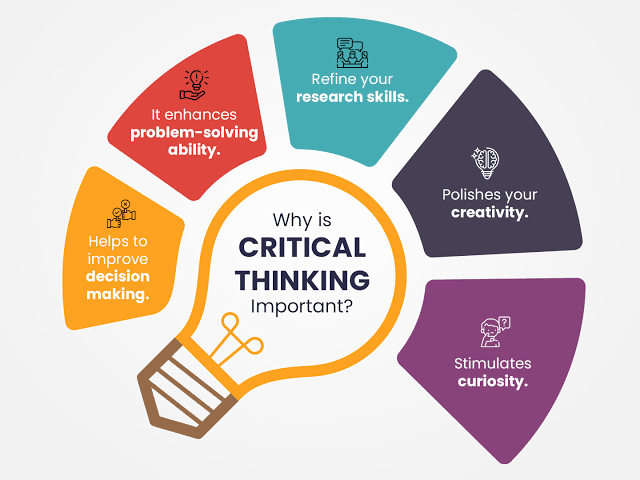
Critical thinking is the process of analyzing facts in order to form different judgement. It is a self- directed process by which we take deliberate steps to think at the highest level of quality.
Aim of critical thinking
1.The aim critical thinking is........
So many successful people credit their sense of self and their confidence to their success. But not many people really explain how to build confidence, or how to become confident. It’s tricky, because confidence is built on different things, but overall it is built on choices and accomplishments that feed your passion, and that m........
SELECTIVE MUTISM
Selective mutism is an anxiety disorder where a person is unable to speak in certain social situations, such as with classmates at school or to relatives they do not see very often.
It usually starts during childhood and, if left untreated, can persist into adulthood.
A child or adult with selective mutism does not refuse or choose not to speak at certain times, they're literally unable to speak.
The expectation to talk to certain people triggers a freeze response ........
What is depression?
Recognize signs of low mood and depression in children and learn ways to help them feel better.
All children feel low or down at times, it’s a natural part of growing up. But these emotions can be worrisome when felt intensely over long periods of time, particularly if they ........
An outdoor classroom refers to spaces outside the traditional classroom where learning can take place. Learning outside is not only beneficial to students' wellbeing, but it’s a great way to renew their enthusiasm for learning. There are many benefits for using outdoor classrooms, as spending time getting to know the worl........
MAN VS BEAST: WHO IS MORE EFFICIENT
Humans are considered the superior species on Earth, but are our bodies as efficient as the bodies of other animals? Sam and Roy talk about this topic and teach you related vocabulary.
This week's question
Efficiency involves an input and an output. It‘s about the relationship between the amount of energy coming in – in other words, the food we eat - and the amount of the energy going out – the usual movements and activities of day-to-day life. So, according to this........